Inside the Uffizi: Florence's Renaissance Treasury
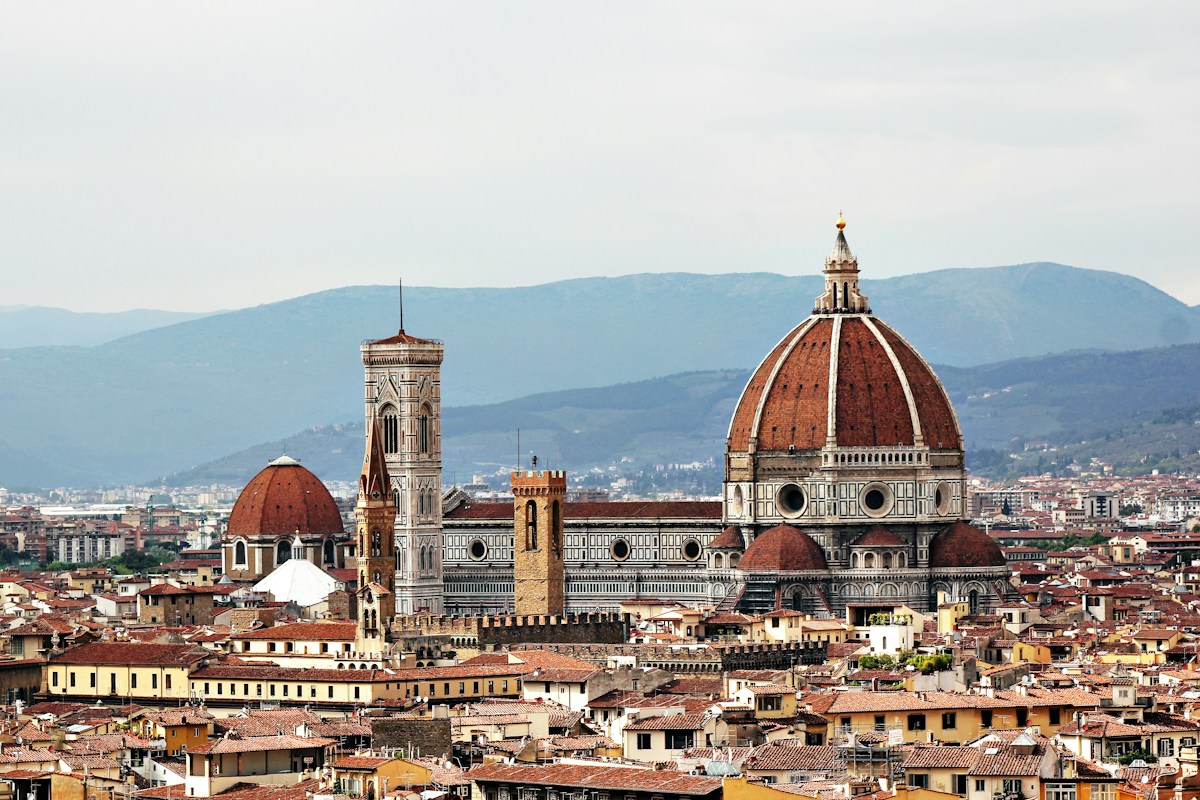
The Uffizi Gallery does not merely contain Renaissance art — it embodies the Renaissance itself. Designed by Giorgio Vasari for Cosimo I de' Medici in 1560, the building was conceived as administrative offices (uffizi) for the Florentine magistrates. That it became one of the world's first public art galleries, opening to visitors by request from 1591, is fitting: the Medici understood that art was not private property but civic treasure.
The Botticelli Rooms
Nothing prepares you for seeing Botticelli's Birth of Venus and Primavera in person. The scale surprises — these are large paintings, commanding entire walls — but it's the colour that transforms the experience. The Venus pink, somehow both pale and saturated, the endless shades of green in Primavera's garden, the gold that seems to catch real light: reproduction cannot approach these paintings.
Beyond the Famous Works
The Uffizi's strength extends far beyond its celebrities. Leonardo's unfinished Adoration of the Magi reveals a mind working in real time. Caravaggio's Medusa — painted on a shield — is smaller and more shocking than expected. Rooms of Flemish painting, ancient sculpture, and decorative arts reward the visitor who ventures beyond the main corridors.
The recently opened rooms on the first floor have doubled the exhibition space, allowing works that spent decades in storage to finally reach the public. The Uffizi is not a museum you finish — it's one you return to.