Hanseatic Art Heritage: Tracing Culture Along the Old Trading Cities
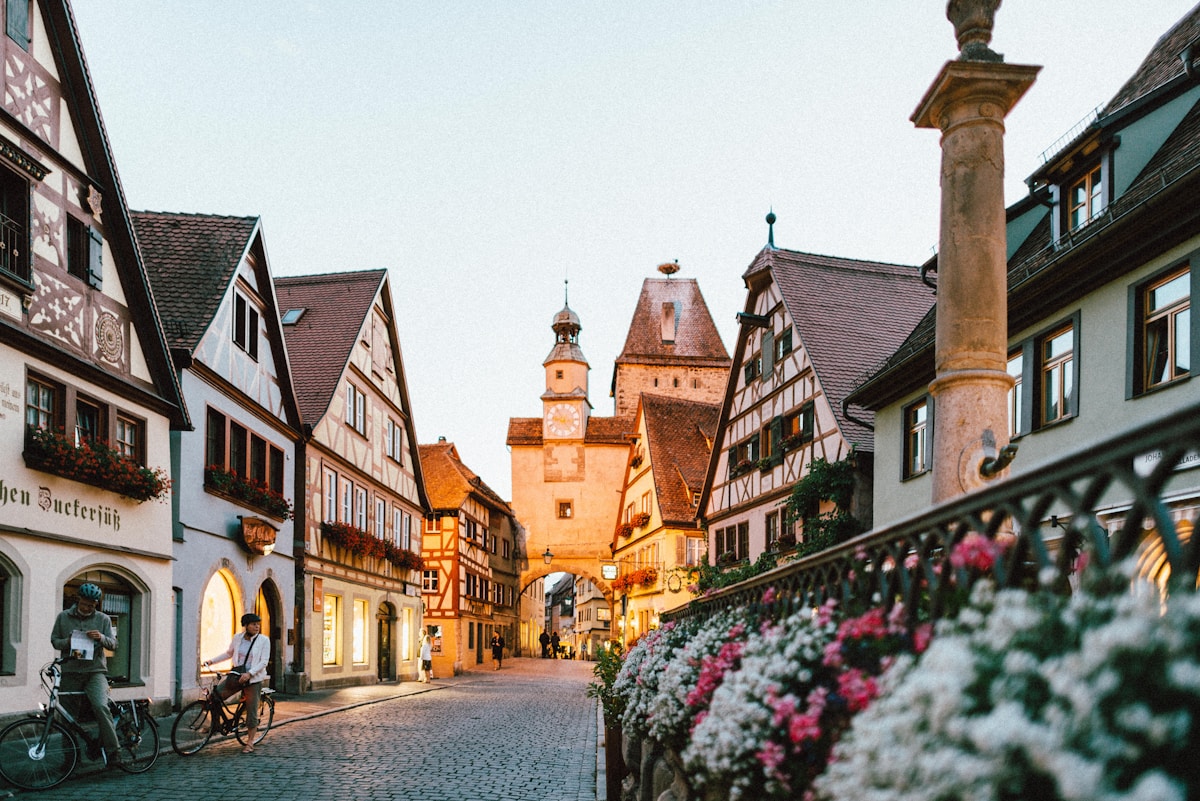
The Hanseatic League may have dissolved centuries ago, but its cultural legacy endures in the Gothic brick churches, patrician townhouses, and art collections of Germany's northern port cities. From Lübeck to Stralsund, the old Hanse trading network created conditions for artistic patronage that shaped the visual culture of the entire Baltic region.
Lübeck: Queen of the Hanse
Lübeck was the capital of the Hanseatic League, and its UNESCO-listed old town remains the finest surviving example of north German brick Gothic architecture. The Kunsthalle St. Annen presents contemporary art within the walls of a medieval monastery, creating a dialogue between past and present that defines the Hanseatic art experience. The Museum Behnhaus Drägerhaus, installed in elegant 18th-century townhouses, connects north German Romanticism to broader European movements through works by Munch and the Nazarenes.
Rostock: Maritime Modernism
Rostock's position as the largest city on the Mecklenburg coast gives it a cultural weight that extends beyond its Hanseatic past. The Kunsthalle Rostock has built an international reputation for contemporary exhibitions, while the harbour district of Warnemünde maintains the atmospheric quality that drew early plein-air painters to the Baltic.
Stralsund: Gothic Preservation
Stralsund's old town, a UNESCO World Heritage site, preserves Hanseatic architecture with extraordinary integrity. The Kulturhistorisches Museum in its restored monastery traces the interplay of commerce and culture that defined Hanseatic civilization. The city's three great churches — Nikolaikirche, Marienkirche, and Jakobikirche — represent brick Gothic at its most ambitious.
Schwerin: Ducal Collections
Though not formally a Hanseatic city, Schwerin benefited enormously from the trade wealth that flowed through the region. The Staatliches Museum houses a collection of Dutch and Flemish old masters that reflects centuries of cultural exchange between the Low Countries and northern Germany. The Marcel Duchamp collection — one of the most significant outside Paris — adds an unexpected contemporary dimension.
A Connected Heritage
What makes the Hanseatic art trail compelling is its coherence. These cities shared merchants, builders, artists, and ideas for centuries, creating a cultural zone with distinctive characteristics — the preference for brick over stone, the interplay of sacred and commercial architecture, the northward orientation toward Scandinavia rather than the Mediterranean. Understanding this network transforms individual museum visits into a deeper cultural journey.