From Friedrich to Street Art: The Evolution of German Visual Culture
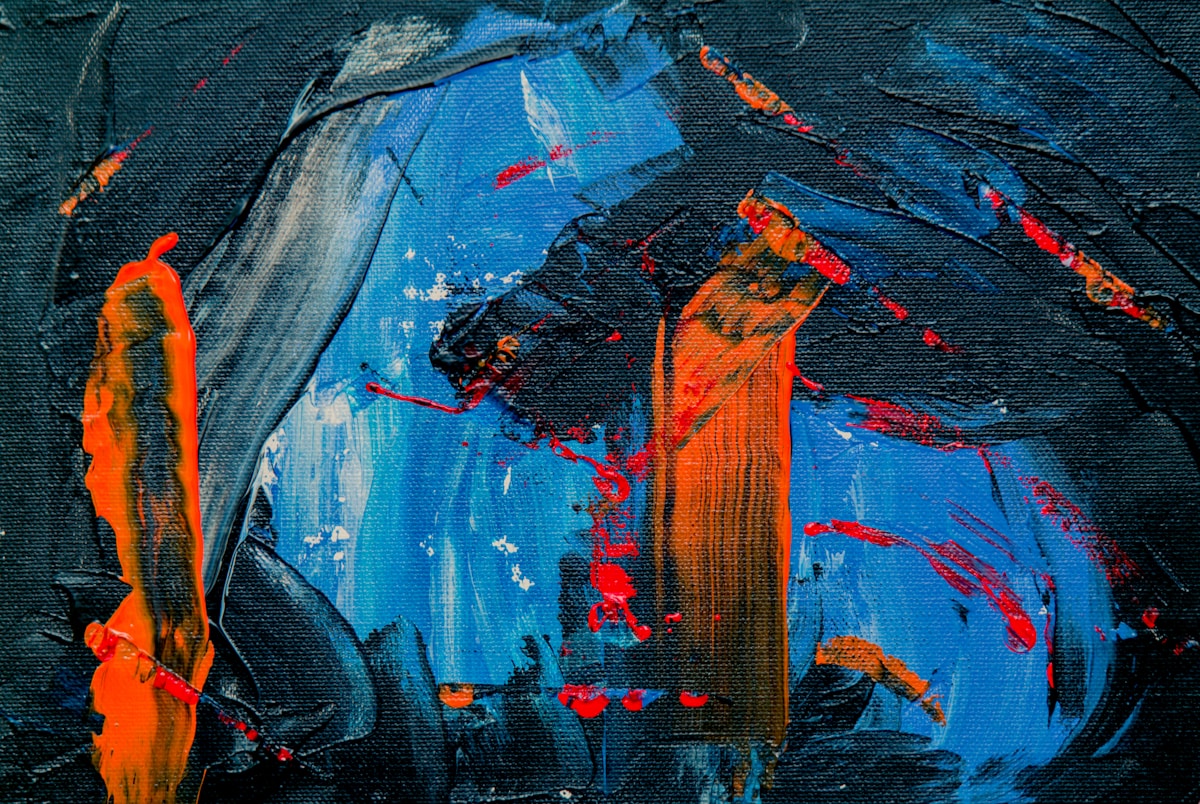
German art history is often told as a series of dramatic breaks — Romanticism yielding to Realism, Expressionism erupting against academic tradition, the rupture of 1945 dividing everything into before and after. But there are deeper continuities. A line connects Caspar David Friedrich's misty Baltic landscapes to the emotionally charged canvases of the Expressionists, and from there to the social urgency of contemporary street art. Understanding these connections enriches any journey through Germany's cultural landscape.
The Romantic Foundation
Friedrich, born in Greifswald in 1774, established landscape as a vehicle for philosophical and emotional expression. His paintings are not simply records of places — they are meditations on human insignificance, spiritual longing, and the sublime power of nature. This idea — that art should express inner states through visual means — became the defining principle of German artistic identity.
Expressionism and Beyond
A century after Friedrich, the Expressionists — Ernst Ludwig Kirchner, Emil Nolde, Max Beckmann — pushed this principle to new extremes. Colour became violent, form became distorted, and the inner world dominated the outer. The Brücke artists, working in Dresden and Berlin, drew on the same north German landscapes that had inspired Friedrich, but saw in them anxiety, vitality, and raw emotion rather than transcendent calm.
The Bröhan-Museum in Berlin traces a parallel track through Art Nouveau and Art Deco, showing how these decorative movements transformed everyday objects into artistic statements. The Berlinische Galerie extends the story through Dada, the Bauhaus, and the divided art worlds of East and West Berlin.
Contemporary Convergences
Today's German art scene is too diverse for any single narrative. But certain threads persist. The Urban Nation Museum in Schöneberg brings street art into institutional context, recognizing that the impulse to mark public space with images has ancient roots. The Hamburger Bahnhof connects post-war American and European movements. In Hamburg, the Deichtorhallen provide exhibition spaces ambitious enough to match the scale of contemporary artistic thinking.
In Mecklenburg-Vorpommern, the circle closes. Contemporary artists work in the same landscapes Friedrich painted, using different tools but driven by a recognizably similar impulse — to make visible something that words alone cannot capture. The art changes; the need for it does not.