Emil Nolde: Colour, Controversy, and the North German Marshes
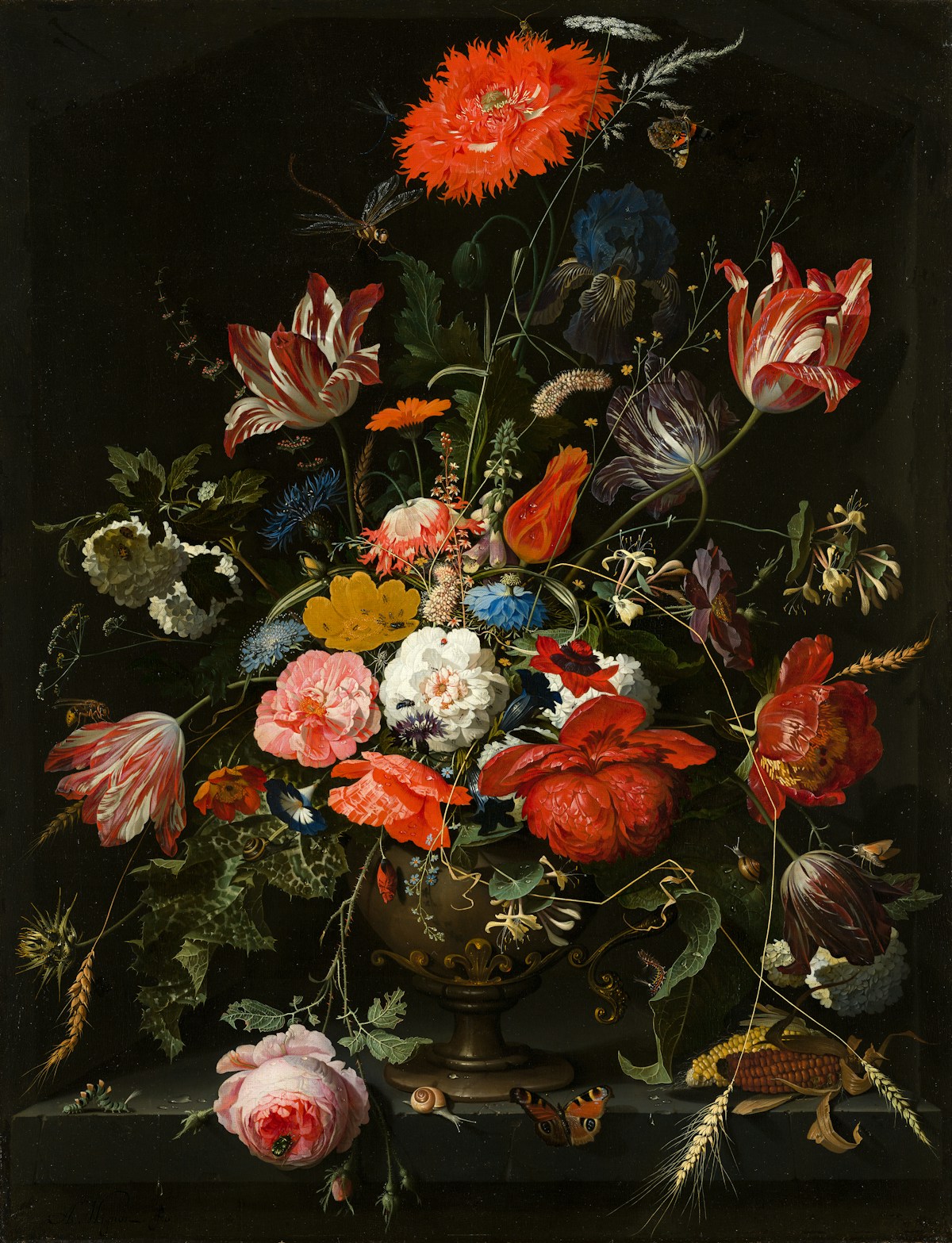
Emil Nolde's watercolours of the flat, windswept marshes around Seebüll remain among the most visceral landscape paintings in European art. Born in 1867 near the Danish border, Nolde transformed the grey-green horizons of Schleswig-Holstein into explosions of colour that anticipated Abstract Expressionism by decades. His flower gardens, painted with almost violent intensity, seem to glow from within.
The Seebüll Studio
Today the Nolde Foundation at Seebüll preserves the artist's home and studio exactly as he left them. The gardens he planted and obsessively painted still bloom each summer, offering visitors the rare experience of standing in the exact landscape that produced some of Germany's most recognizable paintings. The light here — diffused through sea mist and reflected from water on three sides — has a quality that no reproduction can capture.
Difficult History
Nolde's legacy is complicated by his early enthusiasm for National Socialism, a fact the foundation now addresses directly in its exhibitions. His work was nonetheless declared "degenerate" by the regime, and during the war years he produced hundreds of small watercolours in secret — the "unpainted pictures" that rank among his finest achievements. This tension between artistic brilliance and political failure makes Nolde's story essential rather than comfortable.
The Painted Landscape
Visiting Seebüll, you understand why Nolde never left. The marshes change colour with every shift in weather, the skies occupy two-thirds of the visual field, and the flowers in his garden achieve the saturated intensity that he captured on paper. Art tourism here isn't about a museum visit — it's about entering a world that an artist spent a lifetime trying to translate into paint.