Caspar David Friedrich: Tracing the Romantic Master Through His Baltic Homeland
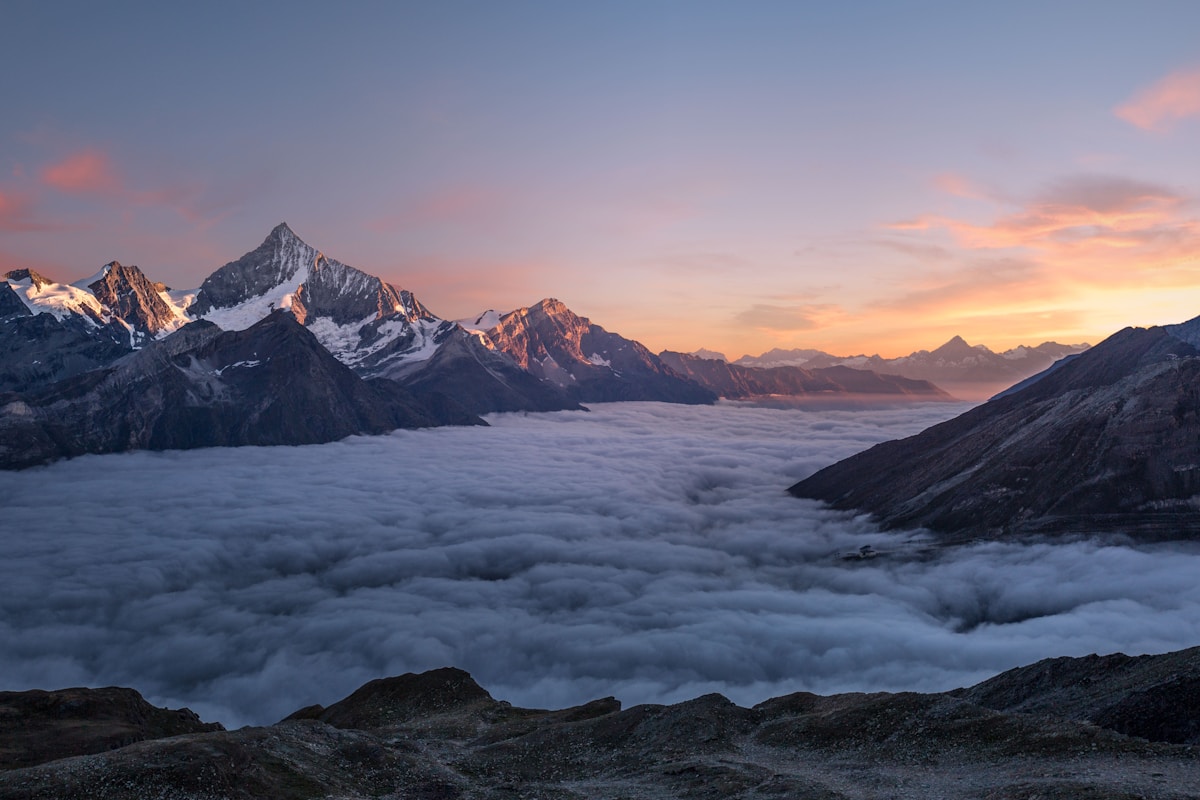
Born in Greifswald in 1774, Caspar David Friedrich became the defining artist of German Romanticism. His paintings of fog-shrouded mountains, Gothic ruins, and vast Baltic seascapes transformed landscape painting from mere documentation into philosophical meditation. Two hundred and fifty years after his birth, the landscapes that shaped his vision remain hauntingly recognizable.
Greifswald: The Birthplace
The Caspar-David-Friedrich-Zentrum in Greifswald occupies the house where the artist was born and spent his early years. Visitors can explore the family's soap and candle workshop and see how the harbour town's rooftops and church spires — subjects Friedrich painted repeatedly throughout his life — still define the city's skyline. The centre offers workshops, lectures, and rotating exhibitions that explore Friedrich's artistic process and enduring influence.
A short walk away, the Pommersches Landesmuseum houses an important collection of Friedrich's works, placing them within the broader context of Pomeranian cultural history. Here you can see how the flat, expansive Baltic landscape — with its infinite horizons and dramatic skies — became the raw material for paintings that would reshape European art.
The Rügen Connection
Friedrich's most iconic paintings were inspired by the chalk cliffs of Rügen, the island visible from Greifswald's harbour. The Königsstuhl viewpoint, where Friedrich sketched the dramatic white cliffs plunging into the sea, remains one of Germany's most visited natural landmarks. Walking the cliff paths, you encounter the same play of light, mist, and distant horizon that Friedrich translated into paintings like "Chalk Cliffs on Rügen."
A Trail Through Romanticism
The Baltic Art Coast route connects Friedrich's key locations — from Greifswald through the Darß peninsula to the Alte Nationalgalerie in Berlin, which holds several major Friedrich canvases. For art travellers, this trail offers something rare: the chance to stand in the actual landscapes that inspired masterworks of European painting, and to understand how place shaped one of art history's most distinctive visions.